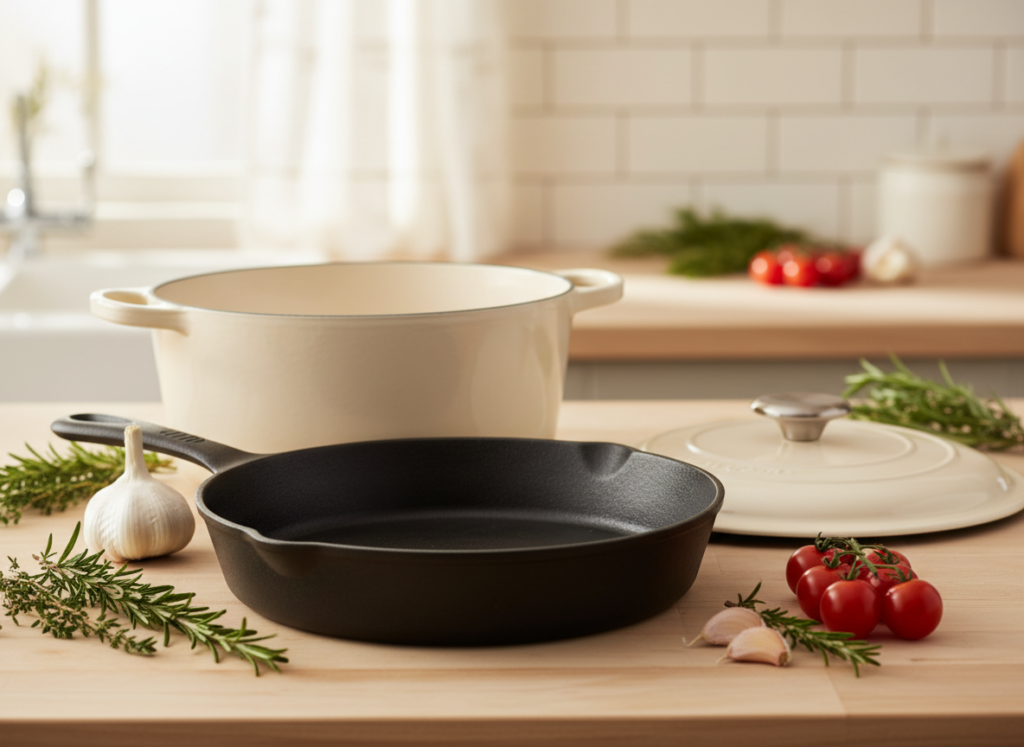
Enameled vs bare cast iron looks like a question about material, but it’s really a question about what you cook. Both are the same heavy iron underneath. One wears a glass coating that shrugs off tomato sauce and never needs seasoning; the other takes a bit of oil and care but sears, fries and goes on a campfire without a second thought. Here’s the verdict first, then the differences that matter and the first piece worth buying in each finish.
The Verdict
- Choose bare cast iron if you sear steaks, fry chicken, bake cornbread or cook outdoors, and you’re on a budget. A 10-inch skillet costs about $20–30.
- Choose enameled cast iron if you mostly make soups, chili, tomato sauces, braises or bread, and you’d rather skip seasoning.
- Best first buy: let the shape decide. A skillet earns its keep bare; a Dutch oven earns its keep enameled.
Research-based: based on manufacturer specifications, verified buyer feedback and published documentation. We haven’t tested these products ourselves (how we work). Last verified: October 9, 2026.
Enameled vs Bare Cast Iron: The Differences That Matter
Both hold heat beautifully and both are heavy: a 10-inch bare skillet weighs about 5 pounds. Everything else comes down to the surface.
| Feature | Bare cast iron | Enameled cast iron |
|---|---|---|
| Seasoning | Sold pre-seasoned; a thin coat of oil after washing keeps it up | None needed, even on black interiors |
| Tomato, wine, vinegar | Fine for quick cooks; long simmers can strip seasoning and taste metallic | No limit |
| Heat | Very high heat, grill and campfire are all fine | Low to medium on the stove; oven-safe to 500°F (Lodge) |
| Sticking | Gets slicker with use | Smooth but not nonstick; eggs can stick |
| Utensils | Metal is fine | Wood, silicone or nylon |
| Cleaning | Hand wash, dry right away, oil lightly | Soap and water; hand washing keeps the finish longer |
| Damage | Rust is fixable with a re-season | Chips and cracks in the enamel can’t be repaired |
| Price | About $20–60 for a skillet or Dutch oven | About $60–130 for a budget Dutch oven, $300+ premium |
Sources: Lodge enameled cast iron care guide, Made In and America’s Test Kitchen.
What Bare Cast Iron Does Best
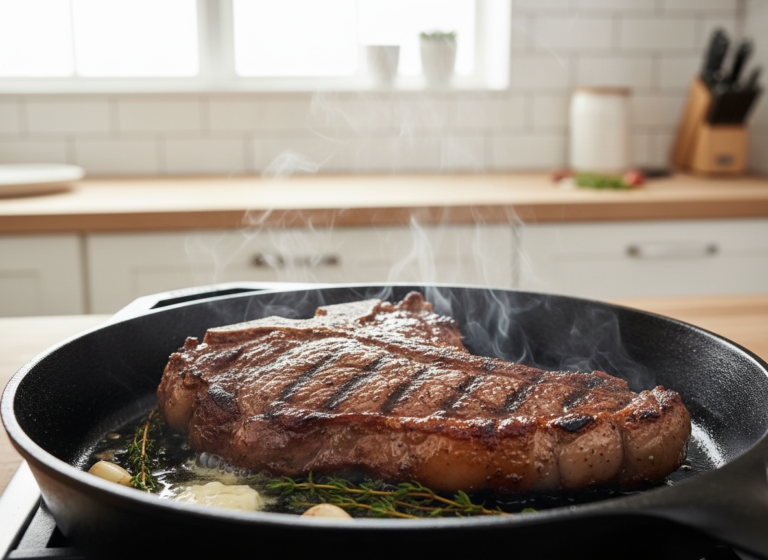
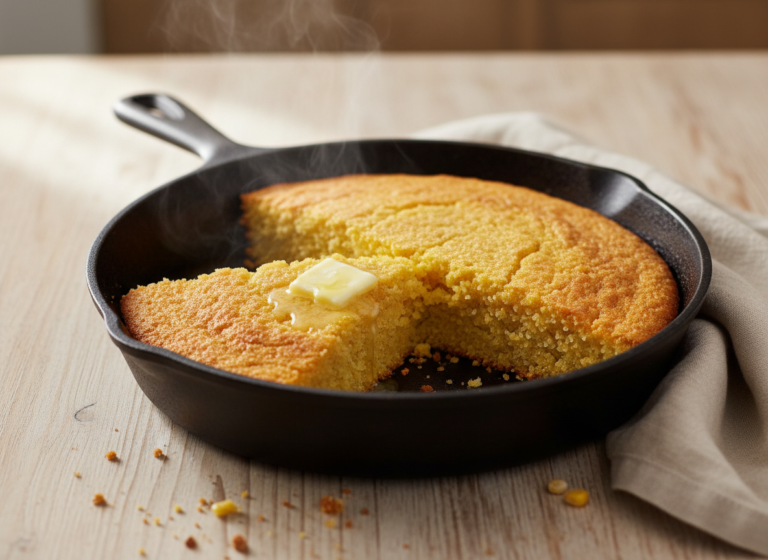
Bare iron loves high heat. Preheat it for 5 minutes and a steak hits a surface hot enough to build a dark crust in 2–3 minutes a side. It fries chicken in an inch of oil, crisps the edges of cornbread and moves from stovetop to oven to grill without fuss.
The trade-off is upkeep. Wash it, dry it on a warm burner and wipe in a few drops of oil. Our guide on how to clean a cast iron skillet covers the routine and the rust fix. And keep long tomato or wine simmers for another pot.
What Enameled Cast Iron Does Best
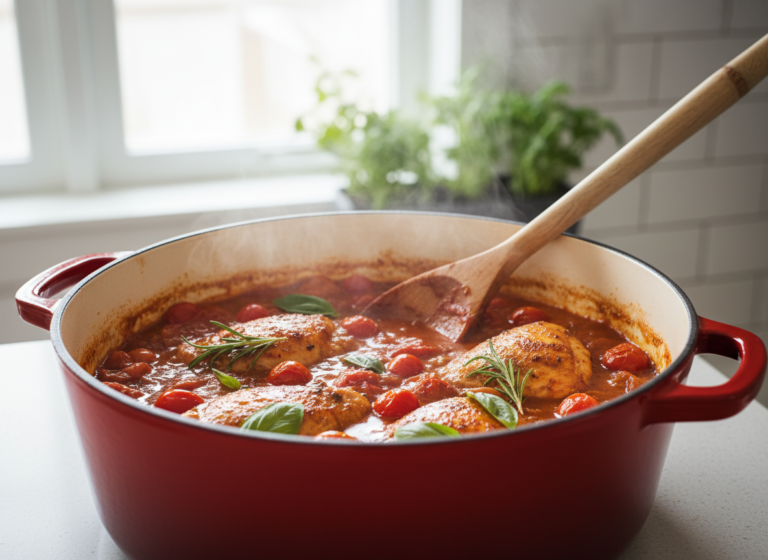
Enamel turns cast iron into a pot you can leave alone. Chili, marinara, coq au vin and beef braised in red wine can simmer for hours without any effect on the surface. A light-colored interior also lets you see the fond darken, so it’s easier to tell when onions are golden and not burning.
Care is simple, with three rules from Lodge: heat it gradually on low to medium, never pour cold liquid into a hot, empty pot, and stick to wooden or silicone tools.
Bare cast iron is a pan for heat. Enameled cast iron is a pot for time.
Which One Fits Your Cooking?
| If you mostly… | Buy first |
|---|---|
| Sear steaks, smash burgers, fry chicken | Bare skillet, 10–12 inch |
| Bake cornbread, skillet cookies, pan pizza | Bare skillet |
| Make soups, chili, stews and tomato sauces | Enameled Dutch oven, 5–6 quart |
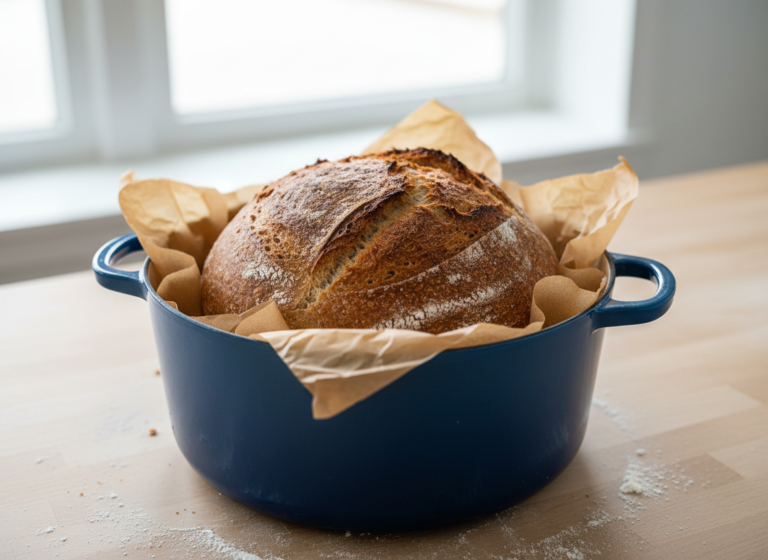
| Bake no-knead bread | Enameled Dutch oven (bare works too) |
| Cook on a grill or campfire | Bare, any shape |
| Want zero maintenance | Enameled |
| Have less than $40 to spend | Bare skillet |
Both work on gas, electric and induction. On a glass cooktop, lift the pan rather than sliding it, because the rough base of bare iron can scratch the glass.
The Smart Order to Buy Cast Iron
- A bare 10- or 12-inch skillet. It’s the cheapest piece and the one most cooks reach for daily.
- An enameled 5- to 6-quart Dutch oven. It covers soups, braises, sauces and bread, everything the skillet does poorly.
- Then fill gaps: a smaller skillet for eggs, or a bare Dutch oven for camping.
That’s the practical answer to enameled vs bare cast iron: you’ll likely want one of each, in different shapes. Skip the enameled skillet as a first piece. It can’t take the high heat that makes a skillet worth owning, and it costs several times more than bare.
Our Top Picks in Each Finish
- Lodge 10.25-Inch Pre-Seasoned Cast Iron Skillet (bare, about $20–30): a long-standing reference in its category, made in the US. Best for: a first skillet on a budget. Not ideal for: long tomato simmers.
- Lodge 6-Quart Enameled Cast Iron Dutch Oven (enameled, about $60–90): oven-safe to 500°F, reviewed favorably by The Kitchn. Best for: the lowest-cost way into enameled. Not ideal for: cooks who want the most chip-resistant enamel.
- Cuisinart Chef’s Classic Enameled Cast Iron 5-Quart (enameled, about $70–130): America’s Test Kitchen’s Best Buy in the 5–6 quart class, with a light interior and a wide cooking surface. Best for: near-premium results at a mid price. Not ideal for: large batches of 8 servings or more.
- Le Creuset Signature 5.5-Quart Round Dutch Oven (enameled, about $300–430): America’s Test Kitchen’s winner in its size, praised for how well its enamel resists damage. Best for: a pot to keep for decades. Not ideal for: tight budgets.


As an Amazon Associate, we earn from qualifying purchases. Prices are approximate and may change — please verify on Amazon before buying.
Frequently Asked Questions
Can you cook tomato sauce in bare cast iron?
Yes, for a short time in a well-seasoned pan. A quick pan sauce or shakshuka is fine. Long simmers of an hour or more can wear the seasoning and give the sauce a metallic taste, so use an enameled or stainless pot for those.
Do you need to season enameled cast iron?
No. The enamel is a glass coating fused to the iron, so there’s nothing for oil to bond with. Lodge says none of its enameled pieces need seasoning, even those with a black interior.
Which lasts longer, enameled or bare cast iron?
Bare cast-iron cookware is close to indestructible: rust and worn seasoning can always be restored. Enameled cast iron lasts for decades with care, but a chip or crack in the enamel is permanent.
Recipes to Try in Each
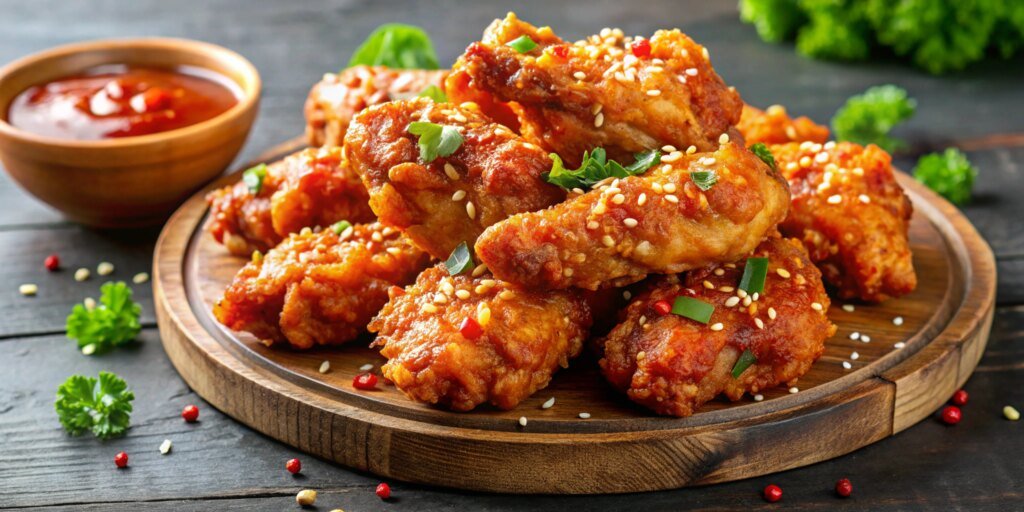
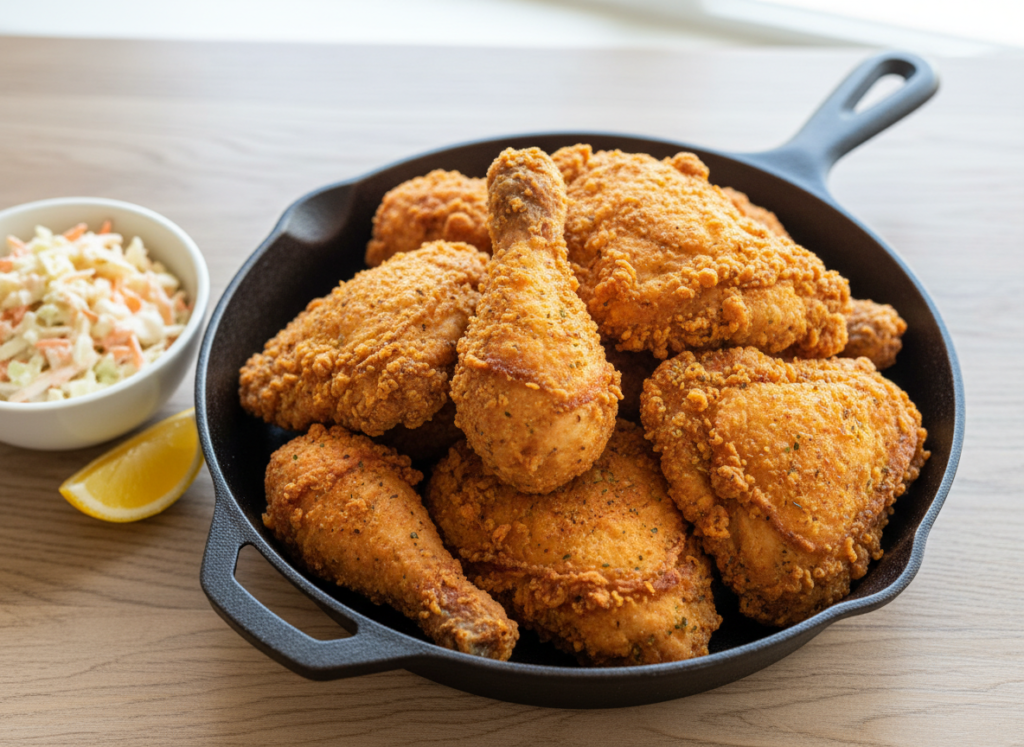
Bare cast iron shines with our Crispy Southern Fried Chicken and Korean Fried Chicken, where steady frying heat matters. An enameled Dutch oven suits a long-simmered tomato-cream sauce like our Chicken Tikka Masala. Browse more in our cast iron and Dutch oven recipes.
Get Our Free Dessert Recipe eBook
Join the Kitchen Unveiled newsletter and get our free dessert recipe eBook when you sign up. Subscribe now and get your free eBook →
You might also like: How to Clean a Cast Iron Skillet (and Fix Rust) and Pantry Staples for Delicious Meals.