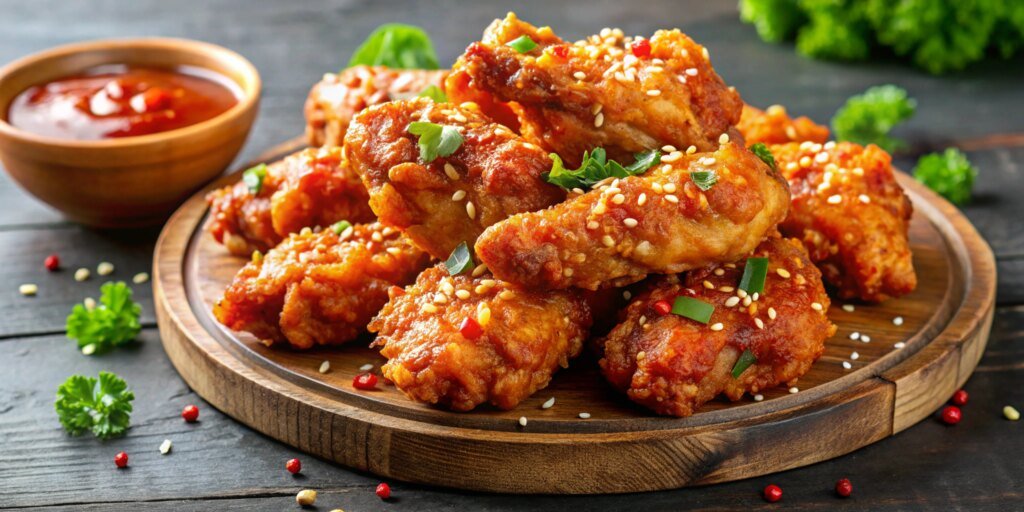
Korean fried chicken gets its shatter-crisp shell from two things most home recipes skip: a thin potato starch coating and a second, hotter fry. This version, known in Korea as yangnyeom chicken, finishes with a sticky gochujang glaze that is sweet, spicy and a little tangy, and the coating still crunches under the sauce.
The recipe card comes first, then the reasons behind each step: how hot the oil should be, how to keep the crust crisp once it’s sauced, and what to swap if your store has no gochujang. All you need is a heavy pot, such as a cast iron Dutch oven, and a clip-on thermometer.
- Recipe
- Crispy Korean Fried Chicken with Gochujang Sauce
- Why This Korean Fried Chicken Stays Crispy
- Ingredient Notes
- How to Double-Fry in a Cast Iron Dutch Oven
- The Origins of Korean Fried Chicken
- Common Mistakes to Avoid
- How to Balance the Gochujang Sauce
- Substitutions That Work (and One That Doesn't)
- Serving Suggestions
- Tips for Extra-Crispy Results
- Equipment for Frying at Home
- Korean Fried Chicken FAQ
- Conclusion
At a Glance
- Serves: 4 (about 2 lb / 900 g of wings or boneless thighs)
- Time: about 20 minutes of prep, plus 30 to 40 minutes of frying in batches
- Difficulty: intermediate (deep-frying)
- Equipment: a heavy 5- to 7-quart pot, a clip-on thermometer and a wire rack
- The key: fry once at 325°F (165°C), rest, then fry again at 375°F (190°C)
Recipe

Crispy Korean Fried Chicken with Gochujang Sauce
Ingredients
Method
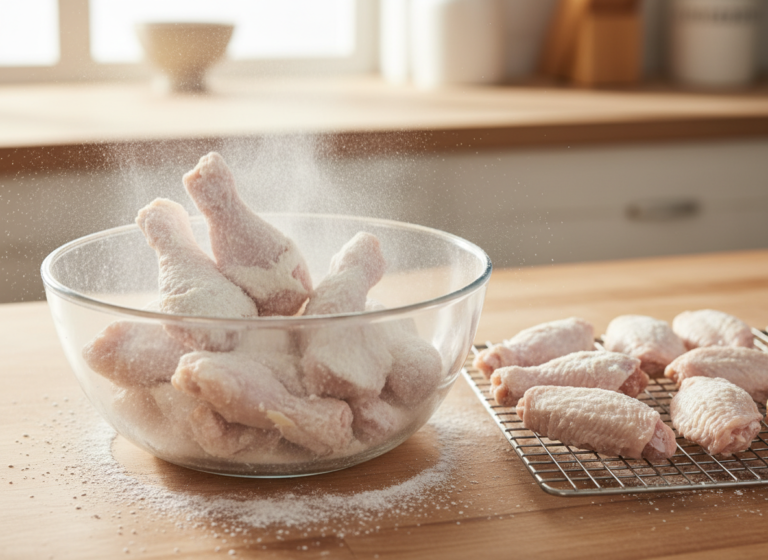
- Dry the chicken. Pat the chicken pieces very dry with paper towels. Dry skin is what lets the coating turn crisp.
- Mix the coating. In a large bowl, whisk the potato starch, flour, baking powder, salt and white pepper.
- Coat the chicken. Toss the pieces in the coating until fully covered, then shake off the excess.
- First fry at 325°F. In a heavy 5- to 7-quart pot, heat the oil to 325°F (165°C) over medium heat. Fry in batches without crowding until the coating is pale golden and the thickest piece reads at least 165°F (74°C): about 6 to 8 minutes for whole wings, 4 to 6 minutes for drumettes, flats or boneless thigh pieces. Drain on a wire rack.
- Rest. Let the chicken rest on the rack for 5 to 10 minutes while the oil climbs to 375°F (190°C).
- Second fry at 375°F. Fry again in batches for 1 to 3 minutes, until deep golden and the coating sounds hollow when tapped with tongs. Return to the rack.
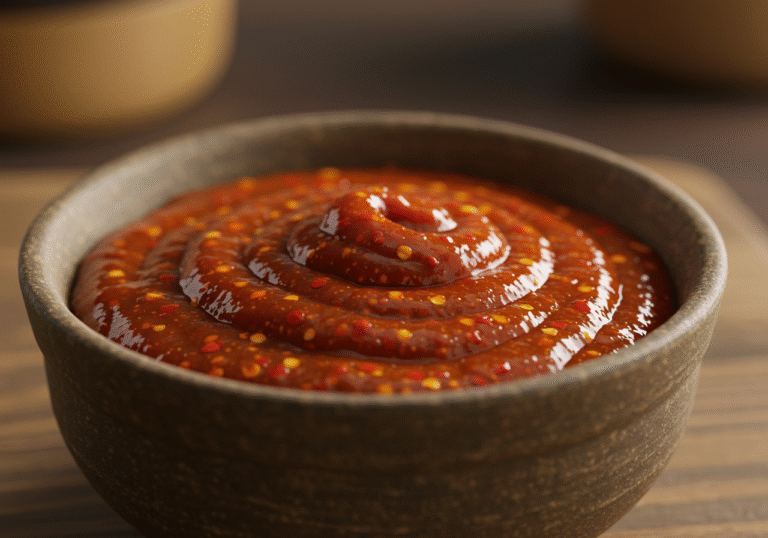
- Make the sauce. In a small saucepan over medium heat, whisk the gochujang, honey, soy sauce, rice vinegar, garlic, ginger and sesame oil until smooth and slightly thickened, 2 to 3 minutes.
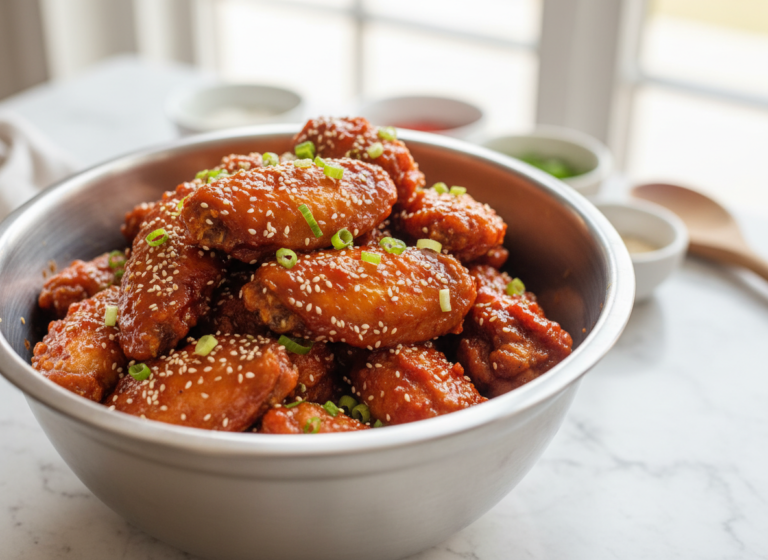
- Toss and serve. Toss the hot chicken in the warm sauce until evenly coated. Sprinkle with the sesame seeds and green onions and serve right away. Never leave hot oil unattended, and let it cool completely before straining.
Notes
✓ Kitchen-tested · Nicole cooked this recipe in our kitchen on October 9, 2026. What this means
Why This Korean Fried Chicken Stays Crispy
- Potato starch, not flour. Starch fries up thinner and glassier than wheat flour, which develops gluten and turns bready. The small amount of flour in the mix only helps the coating cling.
- A little baking powder. It releases tiny bubbles in the hot oil, roughing up the surface so there is more crunch and more texture for the glaze to grip.
- Two fries at two temperatures. The gentle first fry cooks the meat and drives moisture out of the crust. After a short rest, the hotter second fry crisps the shell fast, before the inside overcooks.
- Sauce at the very last minute. The glaze is thick and only warmed, so it coats the chicken instead of soaking in. Toss and serve within a few minutes.
Ingredient Notes
- Chicken: wings split into drumettes and flats are traditional and the most forgiving. Boneless thighs cut into 1½-inch pieces fry faster and are easier to eat. Skip breast meat, which dries out during the second fry.
- Potato starch: look for it in the baking aisle or an Asian grocery. Cornstarch works too, with a slightly harder, less glassy crust.
- Gochujang: brands vary a lot in heat and sweetness, so taste a little before you start and adjust the honey to match.
- Frying oil: use a neutral oil with a high smoke point, such as peanut, canola or vegetable oil. Plan on about 2 to 2½ quarts (2 to 2.4 L) to reach 2 inches deep in a 5- to 7-quart pot.
How to Double-Fry in a Cast Iron Dutch Oven
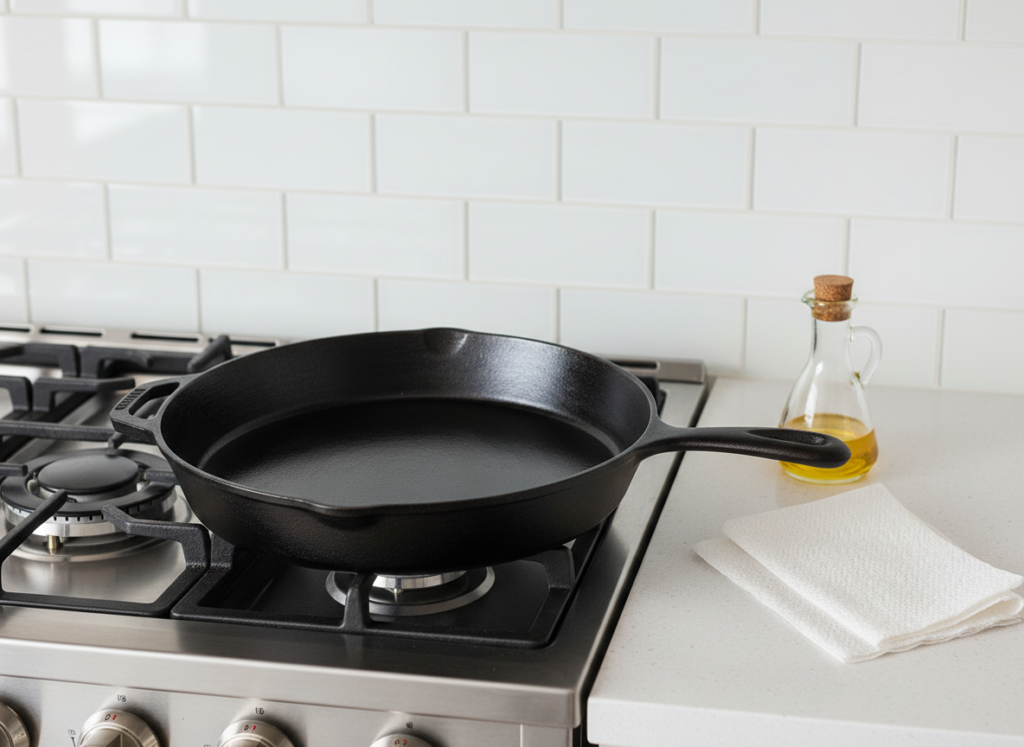
Heavy cast iron holds its heat when cold chicken goes in, so the oil temperature drops less and recovers faster than in a thin pan. A 7-quart Lodge Dutch oven leaves room for the oil to bubble up without spilling, and a clip-on digital thermometer takes the guesswork out of both fries.
- Heat gently. Bring the oil to 325°F (165°C) over medium heat. Never fill the pot more than halfway.
- Fry in batches. Add pieces so they don’t touch. Lift them out when the coating is pale golden and the thickest piece reads at least 165°F (74°C) inside.
- Rest on a rack. Give the chicken 5 to 10 minutes while the oil climbs to 375°F (190°C). Steam escapes and the crust firms up.
- Fry again, briefly. A few minutes is enough: you’re looking for a deep golden color and a coating that sounds hollow when tapped with tongs.
Never leave hot oil unattended, and let it cool completely before straining it for reuse. Once the pot is cool, the same care routine as in our guide on how to clean a cast iron skillet keeps a Dutch oven’s seasoning in good shape.
The first fry cooks the chicken. The second fry is all about the crunch.
The Origins of Korean Fried Chicken
Korean fried chicken emerged in the 1970s and gained tremendous popularity in the 1990s when Korea’s economy was rapidly growing. Unlike its American counterpart, Korean fried chicken is characterized by its lighter, crispier coating and is almost always accompanied by a flavorful sauce. The popularity of “chimaek” (chicken and beer) culture has made this dish a staple for social gatherings and late-night snacking throughout Korea.
Common Mistakes to Avoid
- Coating wet chicken: surface moisture steams the starch off in the oil. Pat every piece dry first.
- Crowding the pot: the oil temperature crashes and the crust turns greasy instead of crisp.
- Guessing the oil temperature: below about 300°F (150°C) the coating soaks up oil; much above 375°F (190°C) it browns before the meat is cooked.
- Saucing too early: sauced chicken starts to soften within 20 to 30 minutes, so toss it right before serving.
- Boiling the glaze: honey and gochujang scorch quickly. Warm the sauce over medium-low heat just until glossy.
How to Balance the Gochujang Sauce
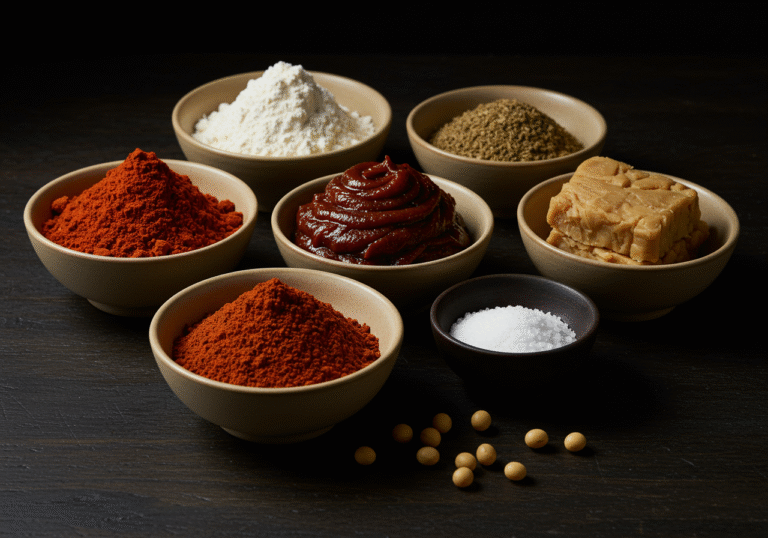
Gochujang is a fermented paste of chili powder, glutinous rice and fermented soybeans, so one spoonful brings heat, sweetness and savory depth. Honey softens the heat and gives the glaze its shine, soy sauce adds salt, and rice vinegar keeps the whole thing from tasting heavy.
Taste the sauce before tossing. If it’s too fiery, add honey a teaspoon at a time; if it tastes flat, a small splash of vinegar wakes it up. A spoonful of water loosens a glaze that has thickened too much on the stove.
Substitutions That Work (and One That Doesn’t)
| Swap | Result |
|---|---|
| Cornstarch for potato starch | Works well; the crust is a little harder and less glassy |
| Brown sugar or rice syrup for honey | Same sweetness; rice syrup gives a clearer, more traditional shine |
| Boneless thighs for wings | Faster frying; check that the thickest piece reaches 165°F (74°C) |
| Gluten-free tamari for soy sauce | Same salty depth; check the gochujang label too, as many contain wheat |
| Sriracha for gochujang | Not recommended: thinner and more vinegary, with none of the fermented depth |
Serving Suggestions
Korean fried chicken is traditionally served with pickled radishes (danmuji) and a cold beer. For a complete Korean meal, consider these accompaniments:
- Pickled daikon radish cubes
- Fresh vegetable sticks with ssamjang dipping sauce
- Kimchi
- Steamed rice
Tips for Extra-Crispy Results
- Let the coated chicken sit for about 10 minutes before frying, until the starch looks damp rather than powdery. It sticks better and flakes off less.
- Let the oil come back to temperature between batches before adding more chicken.
- Drain on a wire rack, not paper towels, so the bottom of each piece stays crisp.
- Keep finished batches in a 200°F (95°C) oven on the rack while you fry the rest.
- Reheat unsauced leftovers at 400°F (200°C) for 8 to 10 minutes, then toss in warm sauce.
Equipment for Frying at Home
You don’t need a deep fryer for this recipe. These three tools cover everything from heating the oil to lifting out the last batch:
- Lodge 7 Quart Cast Iron Dutch Oven — deep enough for 2 inches of oil with room to bubble, and heavy enough to hold its temperature between batches.
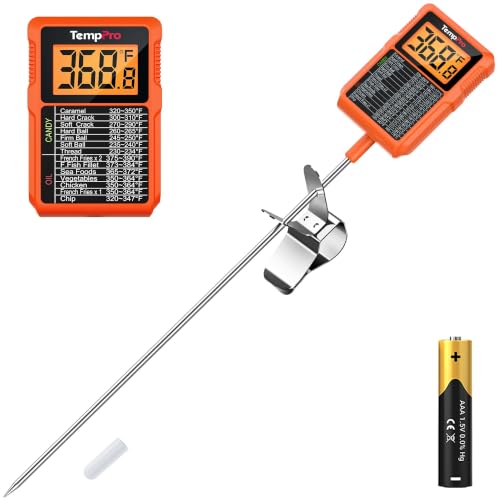
- TempPro TempDip Digital Thermometer with Pot Clip — clips to the pot so you can watch the oil climb from 325°F to 375°F, with a 10-inch probe that keeps your hand away from the heat.
- Hiware Stainless Steel Spider Strainer — lifts a whole batch out at once and lets the oil drain off fast.
Product picks are research-based: manufacturer specs, verified buyer feedback and independent coverage such as The Kitchn. We haven’t tested these specific models ourselves. Last verified: October 9, 2026. How we work.


As an Amazon Associate, we earn from qualifying purchases. Prices are approximate and may change — please verify on Amazon before buying.
Korean Fried Chicken FAQ
Can I make Korean fried chicken in an air fryer?
Yes, with a less glassy crust. Coat the chicken as usual, mist it with oil and air-fry at 400°F (200°C), shaking the basket halfway, until the thickest piece reaches 165°F (74°C), about 20 to 25 minutes for wings. Toss in the warm sauce just before serving.
Is potato starch or cornstarch better for frying chicken?
Potato starch gives the lighter, crackly shell that Korean fried chicken is known for. Cornstarch is easier to find and still crisp, just a little harder and denser. Either one beats plain flour for this style.
How spicy is gochujang?
It ranges from mild to very hot depending on the brand, and many tubs show a heat level on the label. Gochujang is also sweet and savory from its fermented rice and soybeans, so the sauce tastes rounder than its color suggests. For a milder glaze, use 2 tablespoons and add a little extra honey.
Conclusion
Great Korean fried chicken at home comes down to three things: a dry starch coating, two fries at two temperatures and a glaze added at the last minute. Get those right and the crunch survives the sauce.
Serve it straight from the bowl with pickled radish, and keep the thermometer clipped to the pot until the last batch is out. Once you have the method down, the same double fry works with a soy-garlic glaze or no sauce at all.
Get Our Free Dessert Recipe eBook
Join the Kitchen Unveiled newsletter and get our free dessert recipe eBook when you sign up. Subscribe now and get your free eBook →
You might also like: Crispy Southern Fried Chicken with a Secret Double Dredge and Sheet-Pan Teriyaki Chicken with Pineapple. Browse all our cast iron and Dutch oven recipes.