What size Dutch oven you need depends on two things: how many people you cook for, and what you cook most. A pot that’s too small means browning beef in four batches and a loaf that bakes into the walls; one that’s too big is a 16-pound lift for soup for two. This guide matches quarts to household size and to the four big jobs (bread, braises, soup and frying), then covers shape, enamel vs bare, weight and the five pots worth a look at each budget.
Quick Answer
- Cooking for 1–2: 3 to 4 quarts.
- Family of 3–5 (the size most people should buy): 5.5 to 6 quarts. It fits a 4-pound chicken, a pot of chili and a standard no-knead loaf.
- 6 or more, batch cooks, big braises: 7 to 7.5 quarts.
- Quick picks: Lodge Essential Enamel 6 Qt (best all-round value), Amazon Basics 7.3 Qt (budget crowd pot), Staub 5.5 Qt (premium).
Research-based guide. Based on manufacturer specifications, verified buyer feedback and published documentation, including America’s Test Kitchen, Lodge’s sizing guide, The Kitchn and Tom’s Guide. We haven’t tested these products ourselves. Last verified: October 9, 2026. How we work.
What Size Dutch Oven Do I Need?
A useful rule from Lodge: plan on roughly 1 quart per person when you’re cooking a main dish, a little more if you want leftovers. The table below turns that into real sizes, using Lodge’s servings guidance and America’s Test Kitchen’s size classes.
| Size | Feeds | Best uses |
|---|---|---|
| 1.5–2 qt | 1–2 (sides) | Rice, beans, sauces, a small cobbler |
| 3–4 qt | 1–3 | Soup or chili for two, a small braise, a whole chicken under 3 lb |
| 5–6 qt | 3–5 | Beef stew, chili, a 4-lb chicken, a standard no-knead loaf, small-batch frying |
| 7–7.5 qt | 6–8 | Short ribs, a 6-lb chicken, double batches, frying a whole cut-up chicken |
| 8 qt and up | 8+ | Stock, chili for a party, big holiday braises |
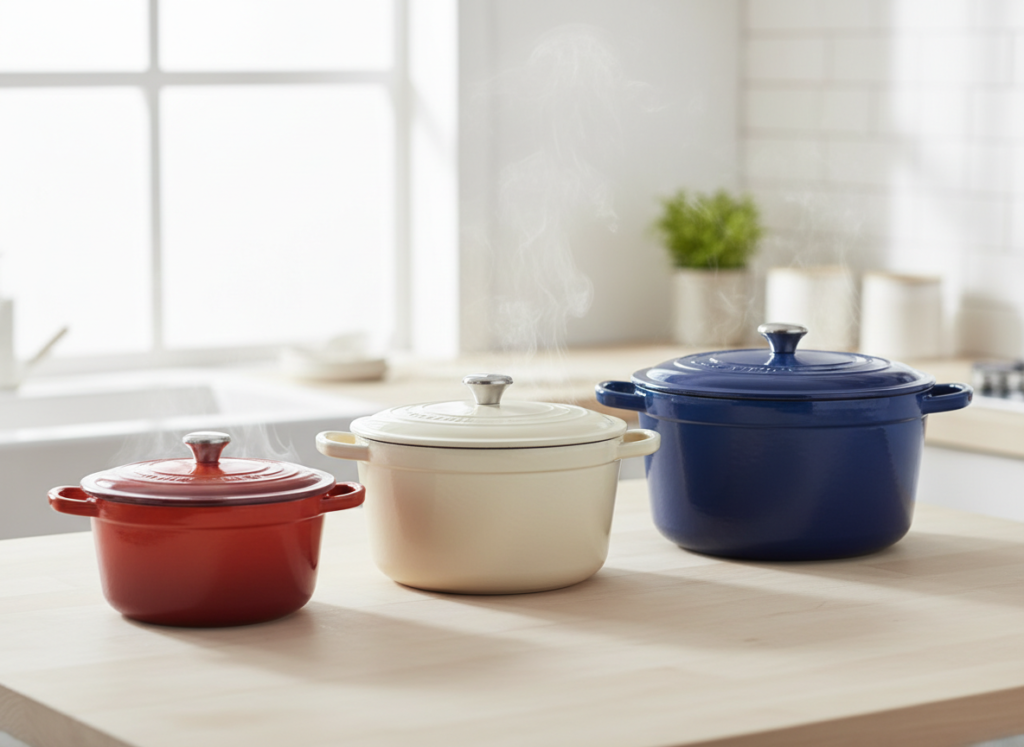
If you can only own one, make it 5.5 to 7 quarts. ATK recommends a 7-quart pot for most cooks because it browns meat in fewer batches and fits a whole chicken, while a 5–6 quart pot is the pick if storage or budget is tight. Lodge calls its 6-quart its most popular size, and it’s the one most recipes on this site are written for.
The Right Size for Each Job
Bread
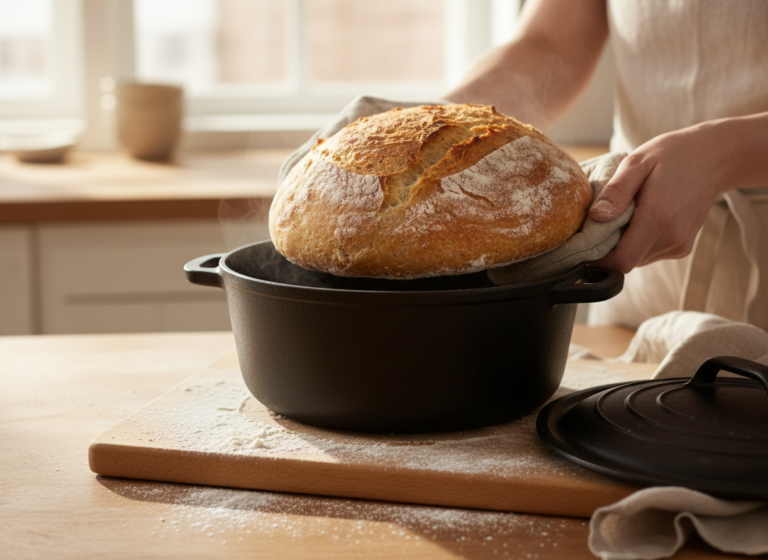
A standard no-knead loaf (about 3 cups or 400 g of flour) wants a round pot of 5.5 quarts or more, so the dough has room to spring up and out. A 3-quart pot works only for half-batch loaves. Watch the knob: many bread recipes bake at 450–500°F, so check its rating before you buy.
Braises and stews
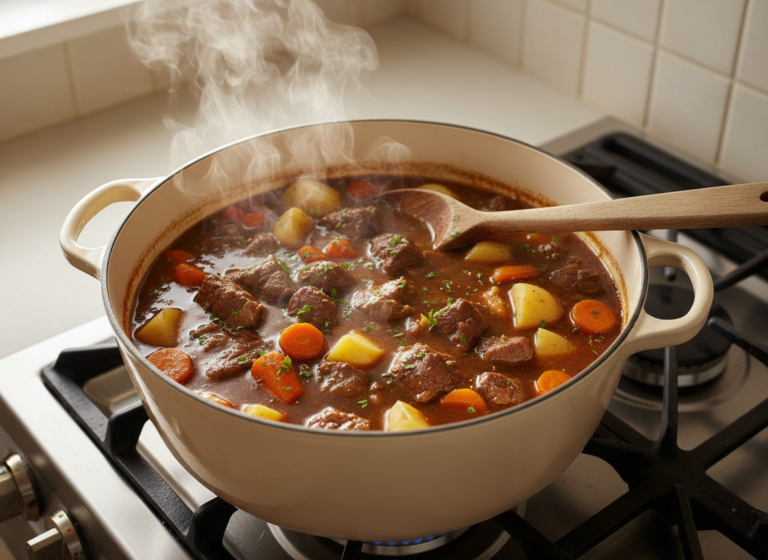
Here the width of the base matters as much as the quarts. A wide floor lets you brown 2 to 3 pounds of chuck in two batches instead of four, and that browning is where the flavor comes from. A 6- to 7-quart round pot handles a family-size stew like our lazy-day beef stew with room to spare.
Soup and chili
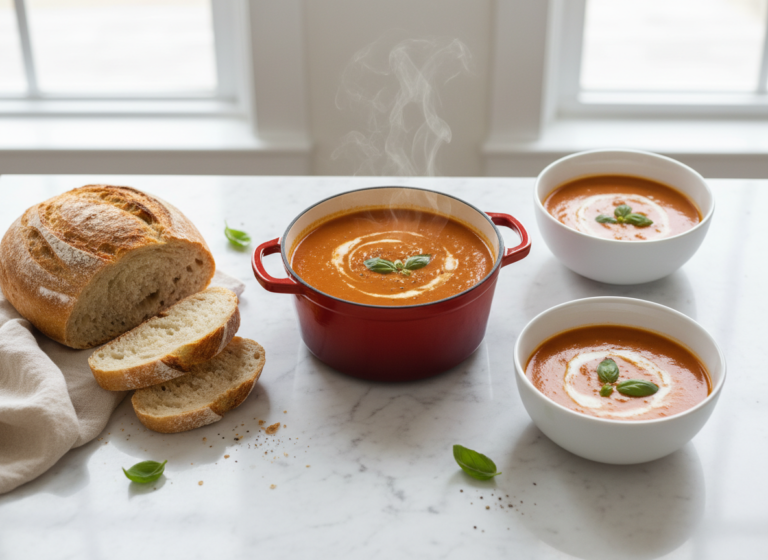
Soup is the most forgiving job, since depth is fine. Size by servings: a 4-quart pot holds about 8 cups of finished soup once you leave stirring room, enough for two people with lunch the next day. Feeding four or more, go to 6 quarts.
Deep frying
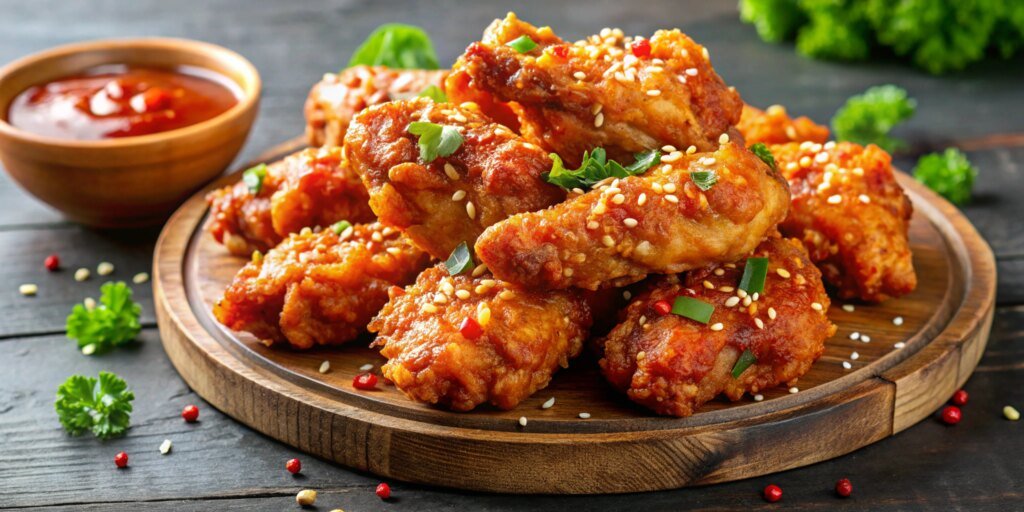
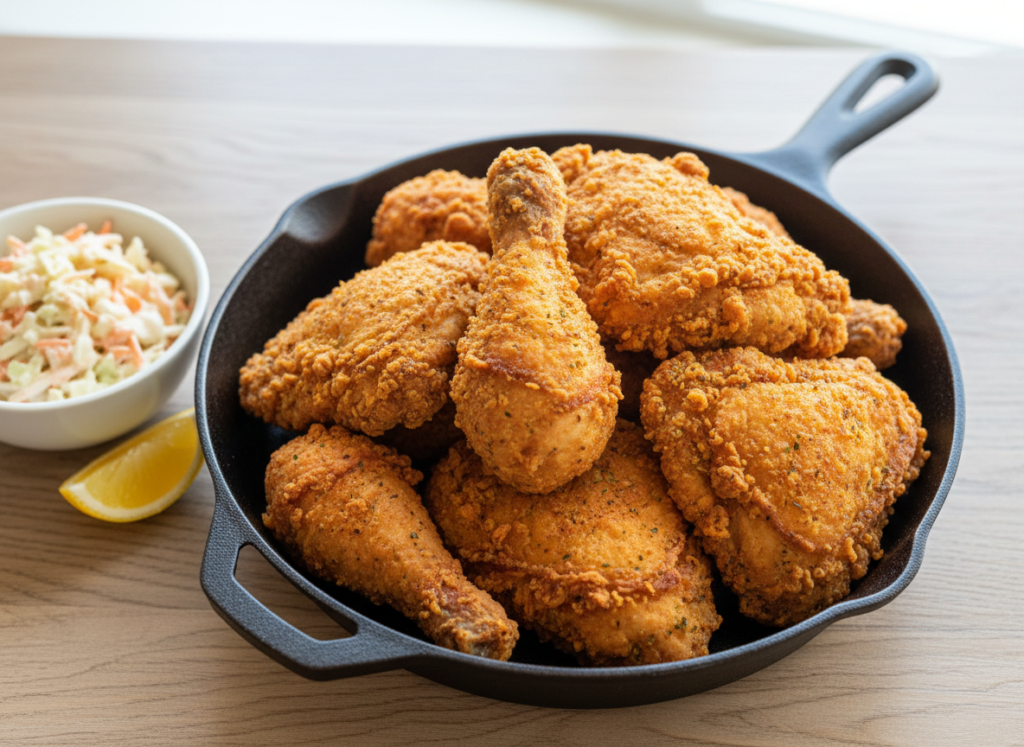
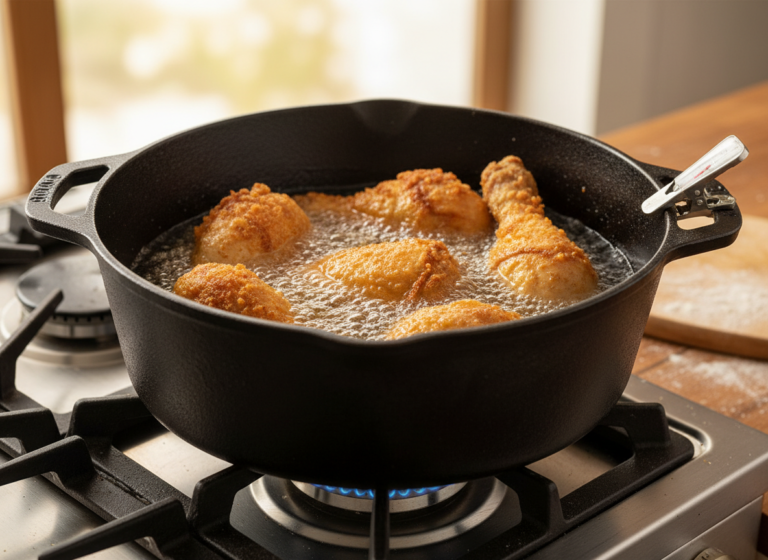
Frying is where too small gets risky. Fill the pot no more than about halfway with oil, so it has room to bubble up when the food goes in. A 5- to 6-quart pot fries 3 or 4 pieces of chicken at a time; a 7-quart pot lets you keep a steadier oil temperature with bigger batches. That’s the setup behind our Southern fried chicken and Korean fried chicken with gochujang sauce.
8 Things to Check Before You Buy
Size comes first, but these are the criteria we used to pick the products below.
- Size: matched to your household, using the table above.
- Shape: round fits a burner evenly and suits soup, stew and bread. Oval fits a whole chicken or a long roast but heats less evenly on a round burner.
- Enameled or bare: enamel handles tomato and wine braises and needs no seasoning; bare iron is cheaper, tougher and goes on a grill or campfire. It’s one criterion here, not the whole decision.
- Weight: a 6-quart cast iron pot weighs around 12 to 13 pounds empty, and a 7-quart can pass 16. Add food and you’re lifting 20 pounds out of a hot oven.
- Handles: look for loops big enough to grip with thick oven mitts.
- Knob temperature: many knobs are rated to 500°F. Bread at 475–500°F needs that, at minimum.
- Induction: all cast iron works on induction. On glass tops, lift rather than slide, since a rough base can scratch.
- Warranty: Staub and Le Creuset back their enameled pots with lifetime (limited) warranties; budget brands usually offer far shorter coverage, so check before you buy.
Buy the pot for the meals you make every week, not the holiday roast you make once a year.
Our Top Picks by Size and Budget
Prices are approximate Amazon prices on October 9, 2026; enameled pots often vary by color. Weights come from the manufacturer or the cited reviews.
| Pick | Size and weight | Oven-safe | Approx. price |
|---|---|---|---|
| Lodge Essential Enamel 3 Qt | 3 qt, enameled | 500°F | $50–60 |
| Lodge Essential Enamel 6 Qt | 6 qt, about 13 lb, enameled | 500°F | $70–90 |
| Amazon Basics 7.3 Qt | 7.3 qt, about 16 lb, enameled | 500°F | $50–70 |
| Staub 5.5 Qt Round Cocotte | 5.5 qt, 12.6 lb, enameled | 900°F pot, 500°F lid | $300–420 |
| Lodge 5 Qt Cast Iron Dutch Oven | 5 qt, about 12.8 lb, bare | No stated limit; grill and campfire safe | $55–65 |
- Lodge Essential Enamel Dutch Oven, 3 Quart — a compact enameled pot with large loop handles, oven-safe to 500°F. Best for: one or two people, soup for two, rice and small braises. Not ideal for: full-size bread loaves or browning more than a pound of meat at once.
- Lodge Essential Enamel Dutch Oven, 6 Quart — best all-round value. Consistently well reviewed by tens of thousands of verified buyers, and recommended by both The Kitchn and ATK. Buyers most often praise its versatility and price; the most common complaints are its weight and some staining over time. Best for: a family of four, bread, stew and chili. Not ideal for: anyone who struggles to lift a heavy pot.
- Amazon Basics Enameled Cast Iron Dutch Oven, 7.3 Quart — the budget crowd pot, oven-safe to 500°F. Tom’s Guide found it a solid staple, noting that it is heavy and its handles get hot. Best for: big batches and frying on a budget. Not ideal for: small kitchens or cooks who want a long warranty.
- Staub Cast Iron Round Cocotte, 5.5 Quart — the premium pick, made in France. It has a dark matte enamel interior, the lid has self-basting spikes, the pot is oven-safe to 900°F without its lid (500°F with it) and it carries a lifetime warranty. Best for: a pot to keep for decades, bread and long braises. Not ideal for: tight budgets, or cooks who like a light interior for watching fond brown.
- Lodge Cast Iron Dutch Oven, 5 Quart (bare) — a pre-seasoned, uncoated pot that goes from stovetop to oven to grill or campfire. Best for: frying, outdoor cooking and anyone who’d rather never worry about chipped enamel. Not ideal for: long tomato or wine simmers, which can wear the seasoning.


As an Amazon Associate, we earn from qualifying purchases. Prices are approximate and may change — please verify on Amazon before buying.
Budget or Premium: What the Extra Money Buys
A $70 Lodge and a $400 Staub cook a pot of chili about the same. ATK named budget Cuisinart and Lodge pots as strong performers, while its premium winners stood out for lighter weight for their size, wider cooking surfaces and enamel that held up better in durability tests.
So the extra money buys comfort and longevity, not better food. If you’ll use the pot weekly for 20 years, premium is easy to justify. If you’re not sure how often you’ll reach for it, start with a budget enameled pot in the right size.
Caring for Your Dutch Oven
Enameled pots need gentle heat: warm them on low to medium, never pour cold liquid into a hot empty pot, and use wood or silicone tools to protect the enamel. Bare cast iron follows the same routine as a skillet, washed, dried on a warm burner and lightly oiled. Our guide on how to clean a cast iron skillet walks through it, rust fix included.
Frequently Asked Questions
Is a 5.5-quart or a 7-quart Dutch oven better?
For most households of three to five, a 5.5- or 6-quart pot is the easier everyday size: lighter, cheaper and big enough for bread and stew. Choose 7 quarts if you regularly cook for six or more, braise large cuts or batch-cook for the week.
What size Dutch oven is best for no-knead bread?
A round pot of about 5.5 to 7 quarts suits a standard loaf made with around 3 cups of flour. Make sure the lid knob is rated for at least 500°F, or swap it for a metal one.
Can you deep-fry in an enameled Dutch oven?
Yes. Frying oil usually sits around 325–375°F, well within what the enamel tolerates. Heat the oil gradually, keep it no more than about halfway up the pot and use a thermometer. The heavy walls of a Dutch oven are exactly why it holds frying temperature so well.
The Bottom Line
Count the people you cook for, then check what you cook most. For most homes the answer to what size Dutch oven to buy is a 5.5- to 6-quart round pot, and the Lodge Essential Enamel 6 Qt is the value place to start. Once it’s home, put it to work with the recipes in our cast iron and Dutch oven collection.
Get Our Free Dessert Recipe eBook
Join the Kitchen Unveiled newsletter and get our free dessert recipe eBook when you sign up. Subscribe now and get your free eBook →
You might also like: Lazy-Day Beef Stew with Minimal Prep and Instant Pot Size Guide.